
MORE THAN JUST SOFTWARE –
A STRONG RELATIONSHIP WITH THE PATIENT.
VNS Analysis for Assessing the Autonomic Nervous System
What is VNS analysis?
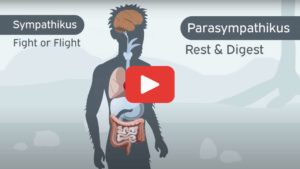
The autonomic nervous system (ANS) is quantitatively assessed using ANS analysis; it unconsciously controls vital functions through the interaction of the sympathetic nervous system—which is activated in stressful situations—and the parasympathetic nervous system, which promotes relaxation. Measuring heart rate variability (HRV) provides meaningful insights into the interaction between the autonomic nervous system components and the state of the nervous system.
The VNS analysis uses HRV to detect stress and imbalances in the nervous system at an early stage. Based on a measurement as accurate as an ECG, it records clinically relevant parameters of the autonomic nervous system.
Unlike conventional HRV measurement devices, VNS analysis enables a more nuanced assessment by taking into account both HRV values and specific VNS parameters. This allows for a precise evaluation of the balance between the sympathetic and parasympathetic nervous systems.
VNS analysis is used for diagnostic purposes and also offers therapeutic approaches. Integrated biofeedback methods enable targeted stimulation of the parasympathetic nervous system. This promotes an understanding of one’s own physical reactions and is intended to motivate individuals to improve their stress management. It plays a central role, particularly in regulatory medicine, in identifying imbalances in the nervous system at an early stage and initiating appropriate therapies.
The measurement is taken via a chest-wall lead, which offers an accuracy of ± 1 millisecond. This accuracy is crucial for obtaining reliable data for analysis.
How does the VNS analysis work?
The VNS analysis works by evaluating autonomic parameters, which are grouped into two main categories: HRV-based metrics such as the rhythmogram and scatter plot, and specific VNS parameters such as the RMSSD, stress index, and alpha-1 value (DFA 1). These enable a comprehensive assessment of autonomic regulation. An integrated cardiorespiratory biofeedback system supports the patient during the measurement and promotes stimulation of the parasympathetic nervous system. The results are presented in an easy-to-understand format immediately after the measurement, which facilitates therapeutic communication and promotes patient compliance.
Stress and Possible Diagnostic Methods, Explained Simply:
VNS Analysis as a Routine Test

The Process of a VNS Analysis
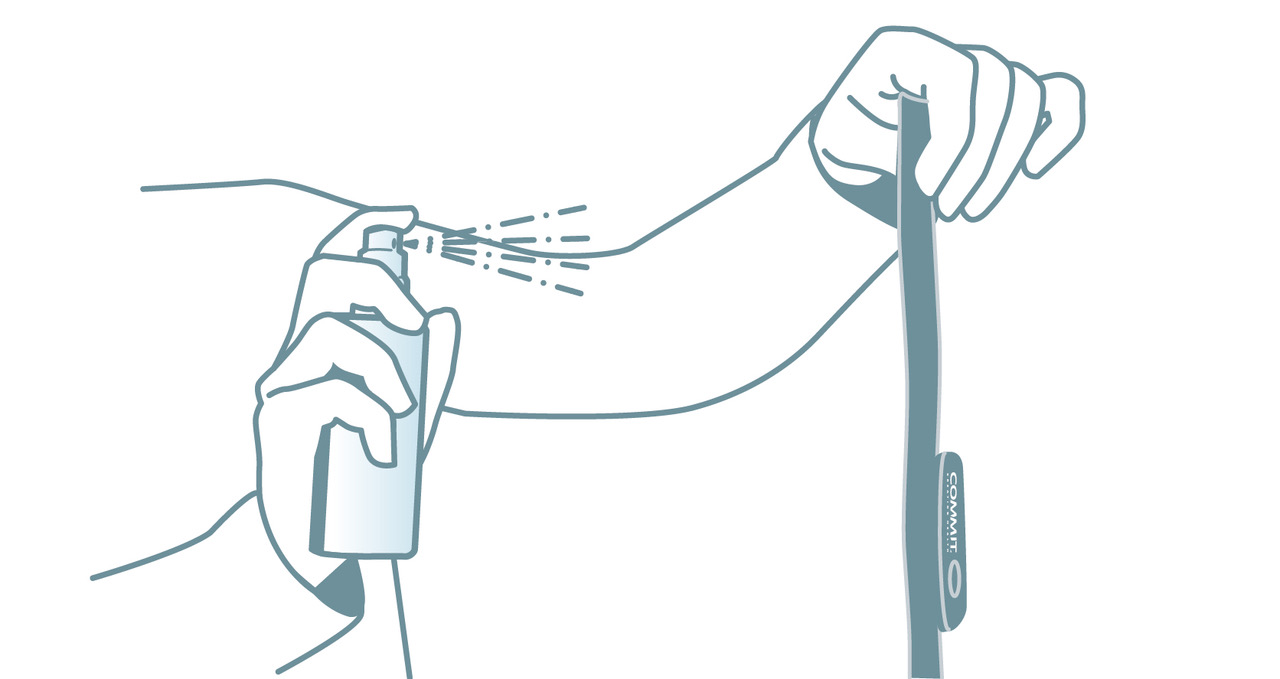
The patient should rest for about 10 minutes before the measurement. The patient’s/user’s personal information is entered. The electrodes on the chest strap are moistened.

The patient/user is fitted with an elastic chest strap that wirelessly records heart rate variability (HRV).
- Measurements are taken while sitting or lying down at rest with normal breathing
- Measurement performed at a specified, slow breathing rate
The examination takes approximately 10 to 15 minutes.

The collected data is analyzed together with the patient or user. The goal is to assess the individual’s autonomic nervous system and its responsiveness to internal and external stimuli.
Very high patient acceptance


Application: VNS Analysis in Practice
VNS analysis is a versatile tool used in various clinical settings. It plays a particularly important role in stress management and prevention, as it detects imbalances in the autonomic nervous system at an early stage. This is especially relevant for the treatment of stress-related conditions such as burnout and sleep disorders.

In cardiology, VNS analysis allows for a nuanced assessment of the potential effects of stress on the cardiovascular system. In regulatory medicine, it is used in patients with chronic conditions such as diabetes or high blood pressure to monitor disease progression and evaluate treatment outcomes. VNS analysis is also gaining importance in pediatrics, as it enables an age-appropriate assessment of autonomic regulation in children and adolescents.
Making Regulatory Capacity Visible

Display and Analysis Options
Patient’s Perspective – Good Regulation of the VNS
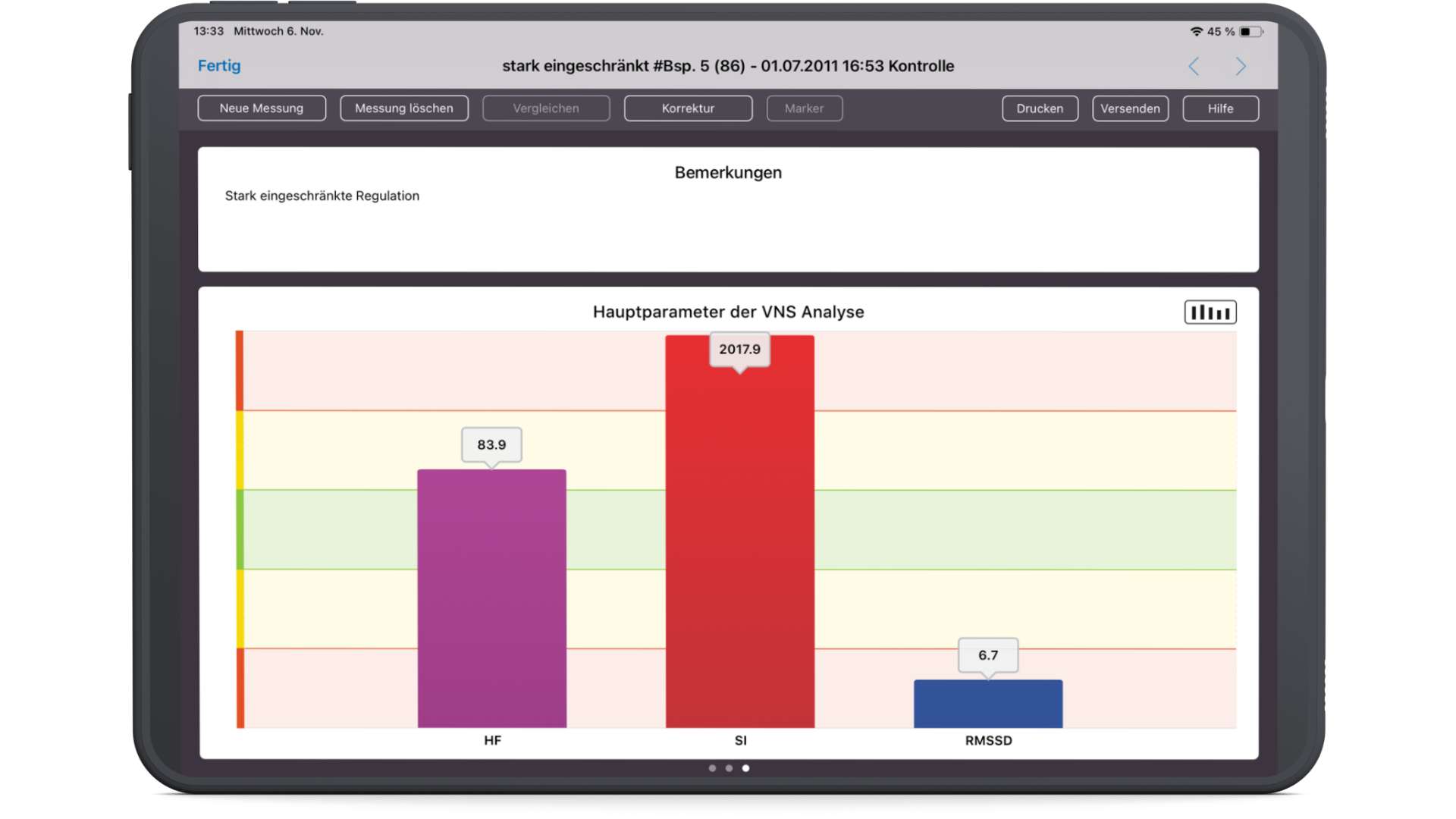
Patient Perspective – Poor VNS Regulation
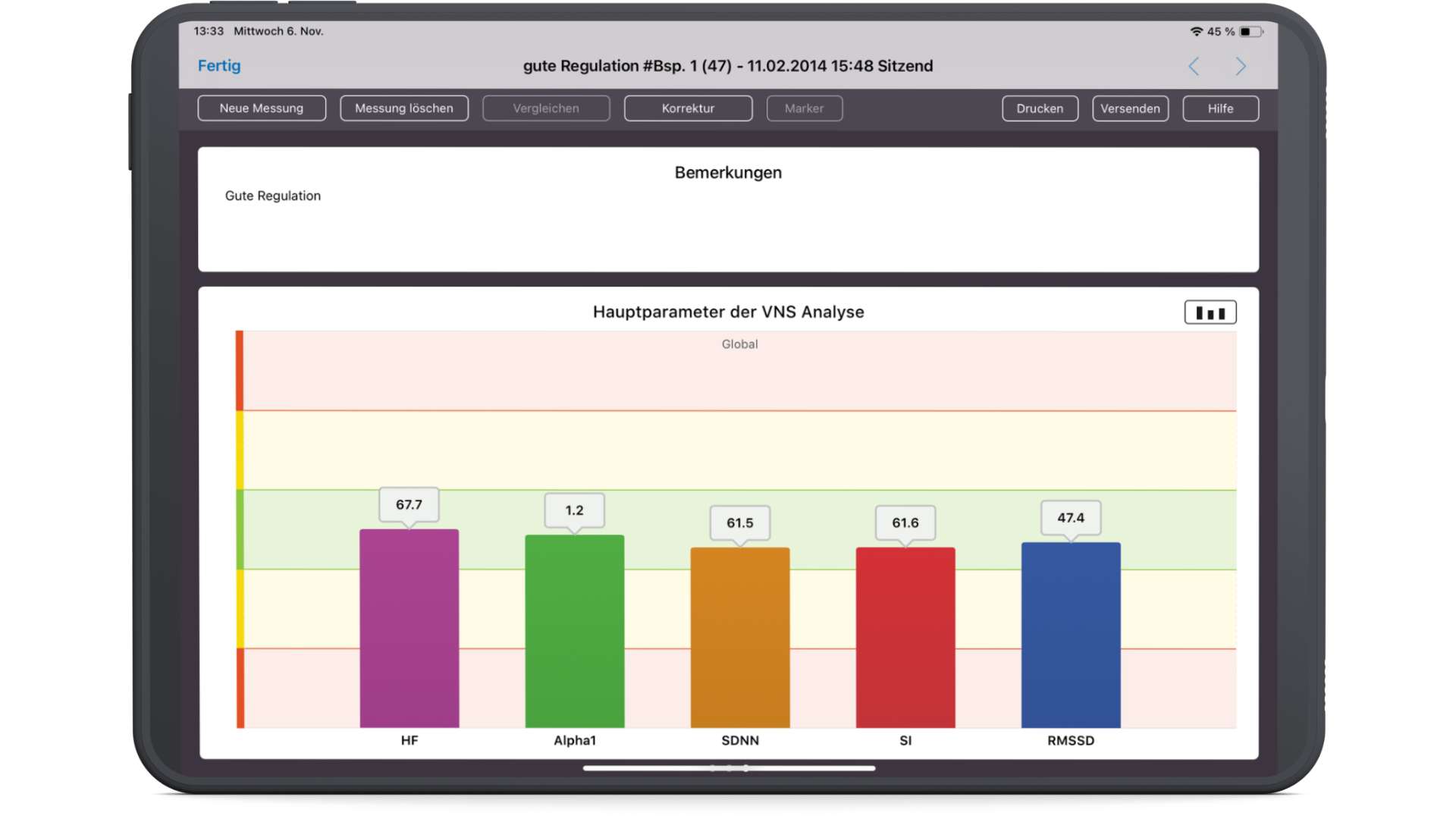
Therapist’s Perspective – Good Regulation of the ANS

Therapist’s Perspective – Poor Regulation of the ANS
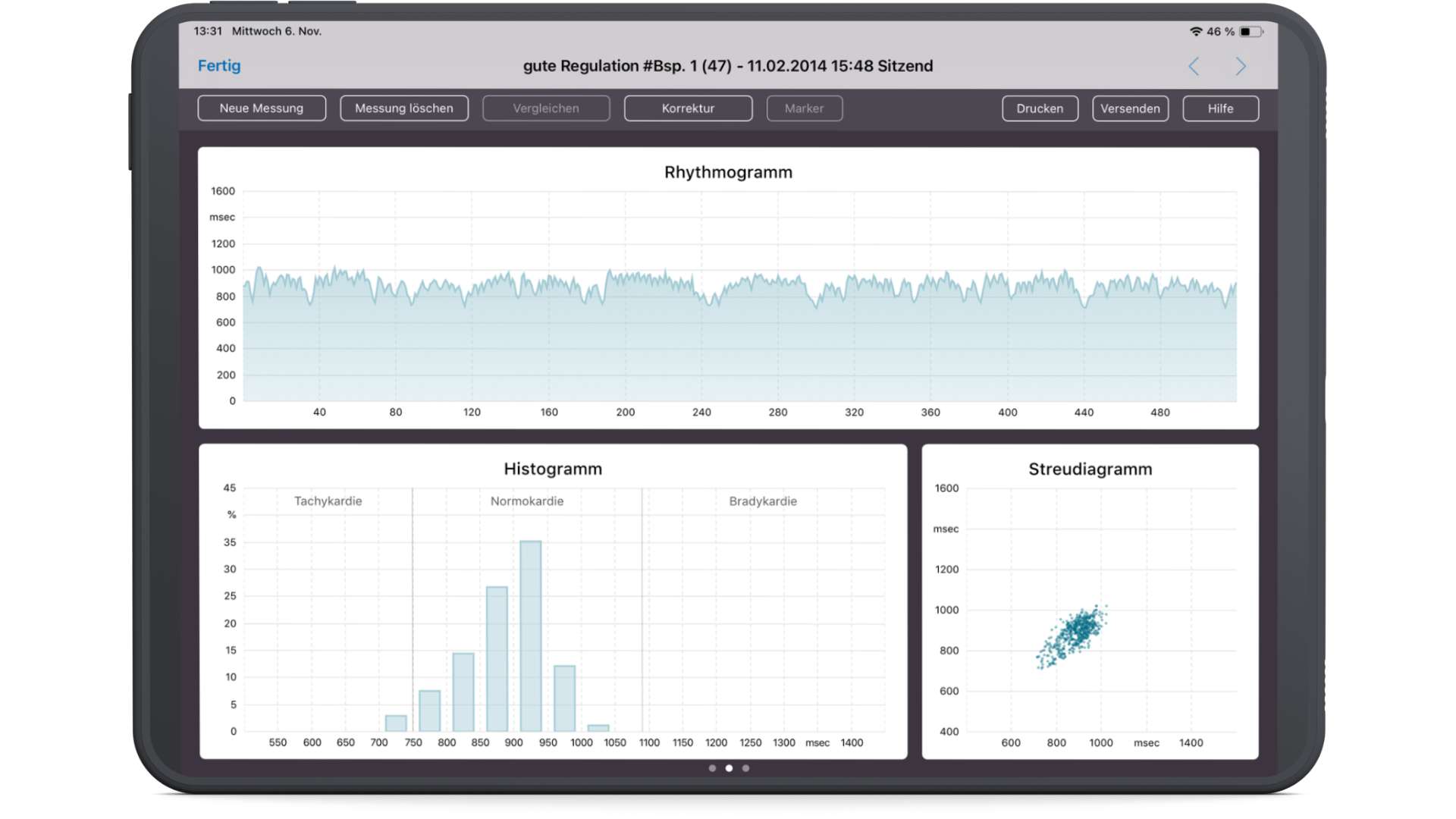
Measurement – Good HRV in the Rhythmo, Histo, and Scatter Plots
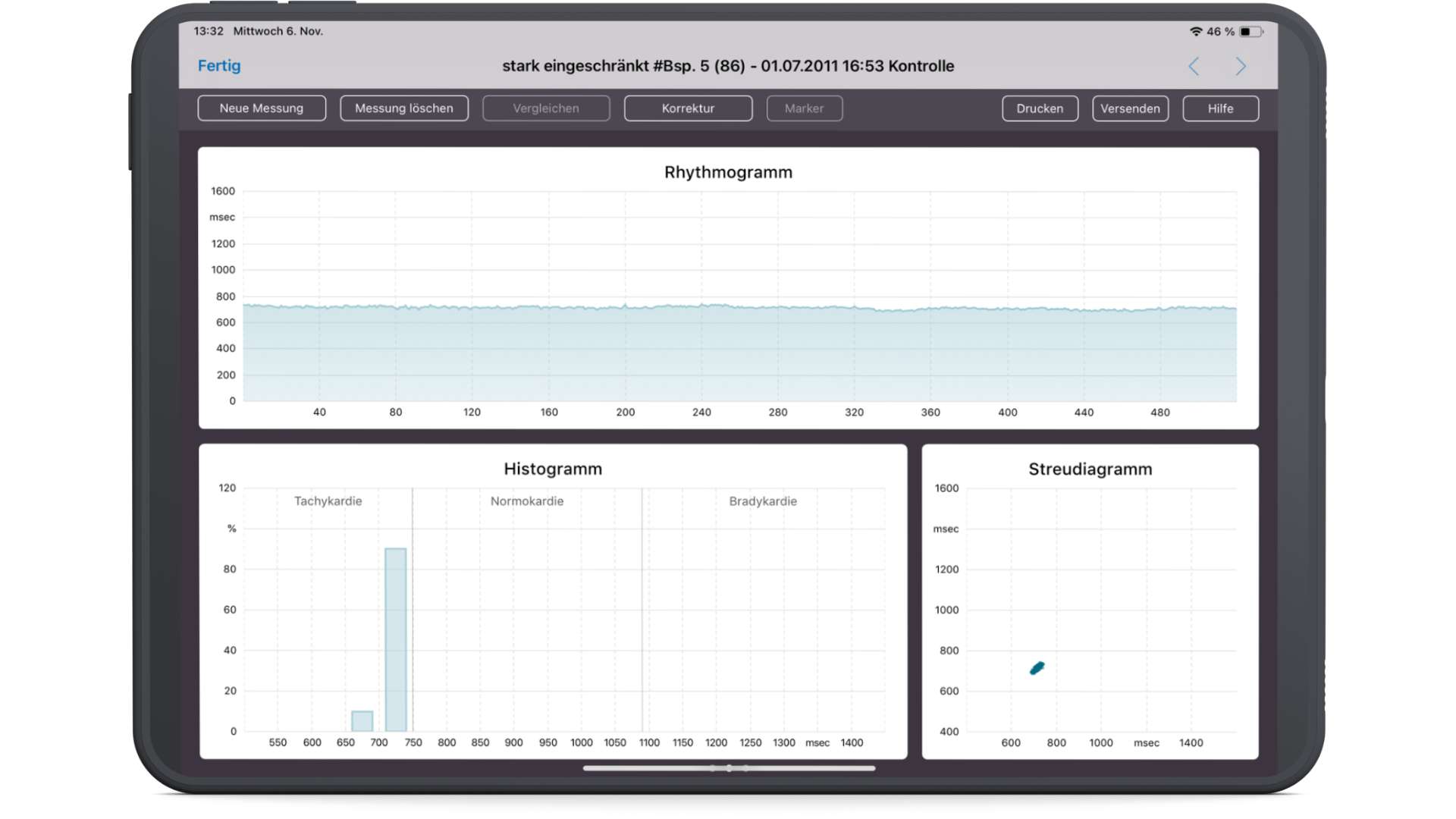
Measurement – Poor HRV in the Rhythmo, Histo, and Scatter Plots
Based on scientific evidence
Explanation of the Results in the Heart Rate Variability Analysis
The Patient View Explained
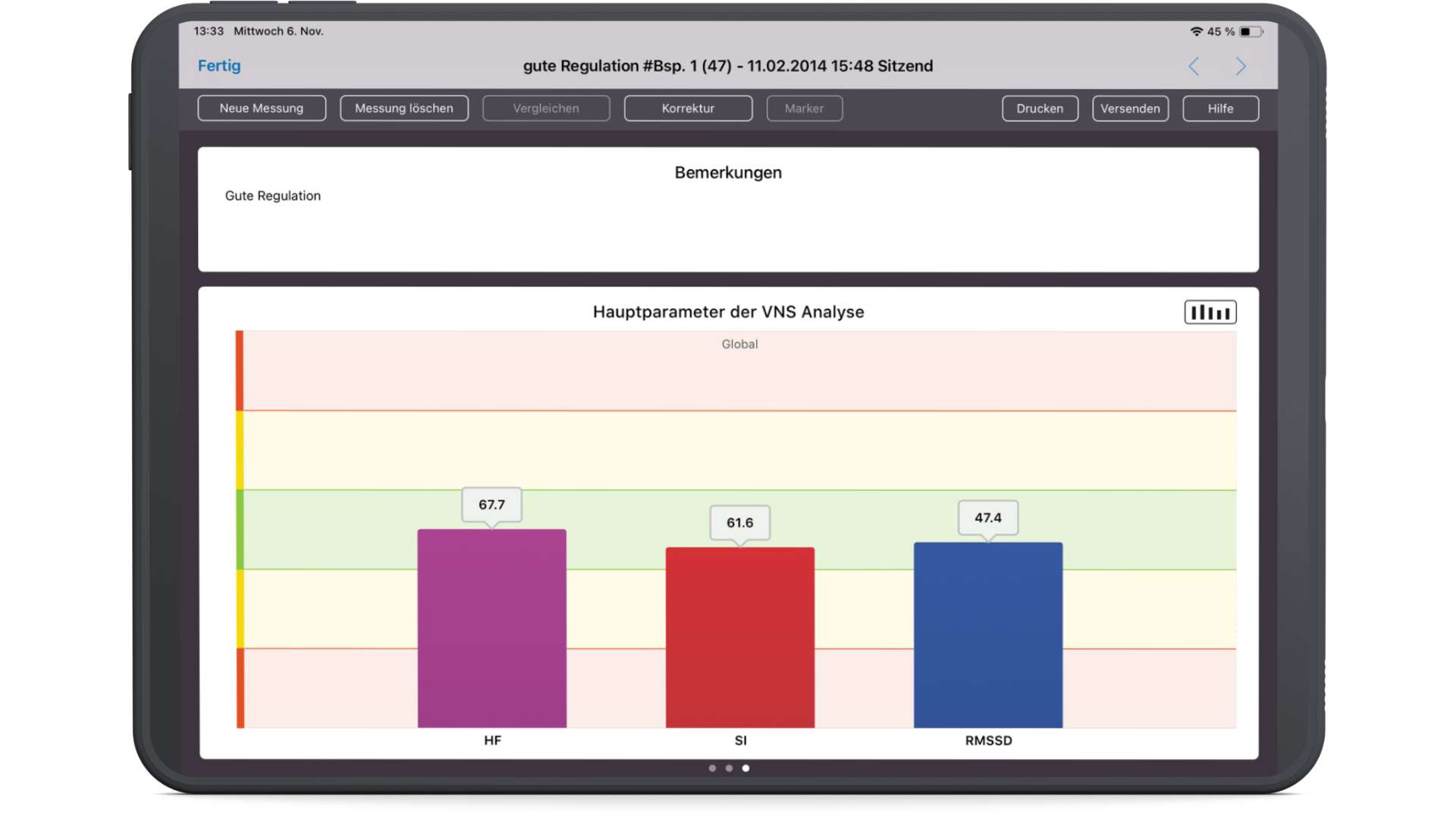
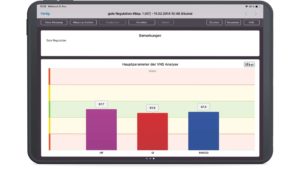
The patient view displays the resting heart rate (HR, purple), sympathetic activity (SI, red), and parasympathetic activity (RMSSD, blue). The color red symbolizes tension, while the color blue symbolizes relaxation.
The traffic-light colors in the background make it easier for the therapist to quickly and intuitively evaluate the measurement results. At a glance, the VNS analysis shows, for example, whether “everything is in the green zone”—or whether sympathetic activity is much too high and the parasympathetic nervous system is barely active at all. The visual presentation, which is easy for even laypeople to understand, saves time and increases patient acceptance. Especially for those who want to specifically measure heart rate variability, the patient view offers an easy-to-understand introduction to VNS diagnostics.
The Therapist’s Perspective Explained
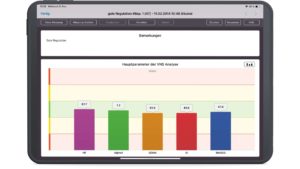
The therapist view can be activated with a single tap and, with its additional parameters, allows for an even more detailed evaluation of the measurement results:
- HR (purple): Average heart rate over the measured time period.
- Alpha 1 (green):Indicates the interaction of the individual autonomic nervous system control loops and, thus, the quality of regulation. The Alpha 1 value is used as an additive risk parameter for the patient’s prognosis.
- SDNN (standard deviation normal to normal, orange): Indicates the mean value of variability and consists of sympathetic and parasympathetic components. The SDNN describes the overall variability and is also referred to as “total power.”
- SI (Stress Index according to Baevsky, red):Indicates sympathetic activity.
- RMSSD (Root Mean Square of Successive Differences, blue):Indicates the parasympathetic activity.
An Explanation of the Rhythmo-, Histo-, and Scatter Diagrams
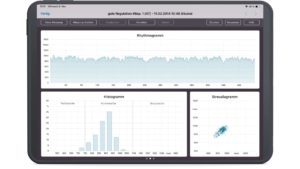
The rhythmogram records heart rate variability (HRV) in milliseconds—a key basis for HRV analysis. The more irregular the rhythmogram, the better the HRV. The flatter the rhythmogram, the worse the HRV.
The histogram is a percentage distribution curve of the measured heartbeats. A broad Gaussian normal distribution indicates good HRV. Few bars in the histogram suggest limited HRV in the context of heart rate variability measurement.
In the scatter plot, a point in the coordinate system is determined by two adjacent RR intervals. The first value is plotted on the X-axis and the second on the Y-axis. The larger the scatter plot, the better the HRV. The more concentrated the scatter plot, the more restricted the HRV.
Added Value Through the Alpha-1 Value
The alpha-1 value is a so-called nonlinear HRV parameter and, unlike the other parameters , reflects the quality rather than the quantity of HRV. It describes the degree of correlation or similarity in the HRV data and characterizes the systemic interaction—the interplay—of the individual regulatory systems. It should be included as an additional parameter in the assessment of overall autonomic regulatory capacity.
- Low values (< 0.70) at rest are considered a poor prognostic sign and may indicate increased risks. Further diagnostic testing—such as cardiological or oncological evaluation—is recommended in such cases.
- High values (> 1.60) indicate compensatory processes in the body, the progression of which should be monitored and observed through regular VNS analyses.
- Use in intensive care medicine: The alpha-1 level is used as a meaningful risk parameter—for example, in cases of sepsis or MODS —to identify potential risks more quickly.
A system is a whole consisting of several individual parts. For a system to function smoothly and successfully, its individual parts must be interconnected, work together, and communicate with one another.
A comparison for better context: The “Team” system
The practical significance of the alpha-1 value can be explained very well using soccer as an example:
- In a well-functioning system (team), there are players on offense (sympathetic nervous system) and on defense (vagus nerve).
- Not only must both of them master their actual roles (scoring goals—preventing goals), but they must also:
- They also need to know each other,
- understand the quirks and unique characteristics of your teammates,
- and understand the connections that allow them to quickly transition from defense through the midfield to the attack.
- Communication and mutual understanding are crucial to the team’s success.
- It’s not just the statistics—the quantitative data (number of shots on goal, shots blocked, percentage of possession, etc.)—that determine victory or defeat; they also determine how well the system works.
- Even a world all-star team made up of the best players is no guarantee of success against a well-coordinated team.
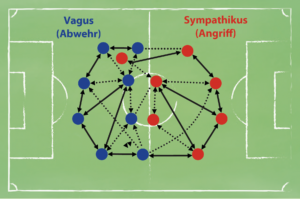
When a system, such as the autonomic nervous system, functions very well as a whole despite its complexity, you have an ideal alpha-1 value of around 1.0.
The sympathetic and parasympathetic nervous systems thus work together as effectively as possible to ensure the physiological regulation of the entire body.
4–10 breaths per minute
Cardiovagal Biofeedback as Part of VNS Analysis
The Effect of Breathing on Autonomic Regulation
Respiratory sinus arrhythmia (RSA) refers to the breathing-related fluctuations in heart rate (an increase in heart rate during inhalation and a decrease during exhalation). When the cardiovascular system is rhythmically stimulated by synchronized breathing at a rate of six respiratory cycles per minute, there is a significant increase in heart rate variability and an improvement in autonomic regulation —an effect that is specifically utilized in heart rate variability analysis. The practice of this controlled breathing is also referred to as cardiorespiratory or cardiovagal biofeedback. Using this method, it is possible to determine within a few minutes whether autonomic regulation can be immediately improved through existing parasympathetic reserves or whether there is a more persistent regulatory disorder that requires further diagnosis and treatment.
The cardiovagal biofeedback function integrated into the VNS analysis is an essential component of VNS measurement and can be used for both diagnostic and therapeutic purposes. If the initial measurement indicates a regulatory imbalance (increased sympathetic activity, decreased parasympathetic activity), a second measurement with timed breathing should be performed immediately afterward to assess parasympathetic reserves and the degree of regulatory capacity. The VNS Analysis uses a visual and/or audible signal to guide the patient through the inhalation and exhalation phases (Figs. above and below).
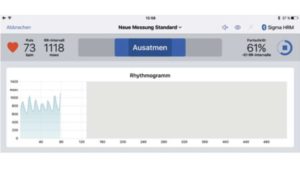

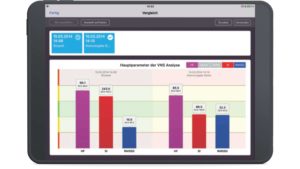
After completing the second measurement under prescribed breathing conditions, it is compared with the first (fig. below). The initial measurement shows increased sympathetic activity and decreased parasympathetic activity. The second measurement was performed using rhythmic breathing and shows significantly improved autonomic regulation. This simple visualization helps the patient understand why breathing training is important and what effects it can achieve.
With standard values for children

Study-Based Reference Values for Children in VNS Analysis
Stress is one of the major health threats of the 21st century, according to the World Health Organization. This has long since ceased to affect only adults; increasingly, it also affects children and adolescents. Stressors such as test anxiety, poor grades, high academic expectations, or the daily pressure to meet deadlines are placing an increasing strain on the body. Family conflicts, arguments with friends, or the pursuit of social recognition can also lead to complex health issues and increase the number of visits to therapists’ offices.
Because vegetative regulation in children and adolescents differs significantly from that in adults in some respects, the use of autonomic function testing in children has been limited to date, particularly when conventional heart rate variability monitors are standardized exclusively for adults.
The VNS Analysis is the first system in the world to have integrated study-based reference values for children following a multi-year research phase. The new update expands the existing reference ranges for ages 20–80 to include the 10–19 age group, marking a significant advance in age-differentiated HRV measurement (VNS Analysis). This enables:
- An objective assessment of the autonomic nervous system in children and adolescents.
- Assessing their stress resilience and ability to recover.
- Early detection and interruption of stress mechanisms that cause illness.
To illustrate the importance of accurate reference values for children and adults, the graphs below show the measurements for a 14-year-old girl.
VNS Analysis Compared: Adult Values Overlook the Risk
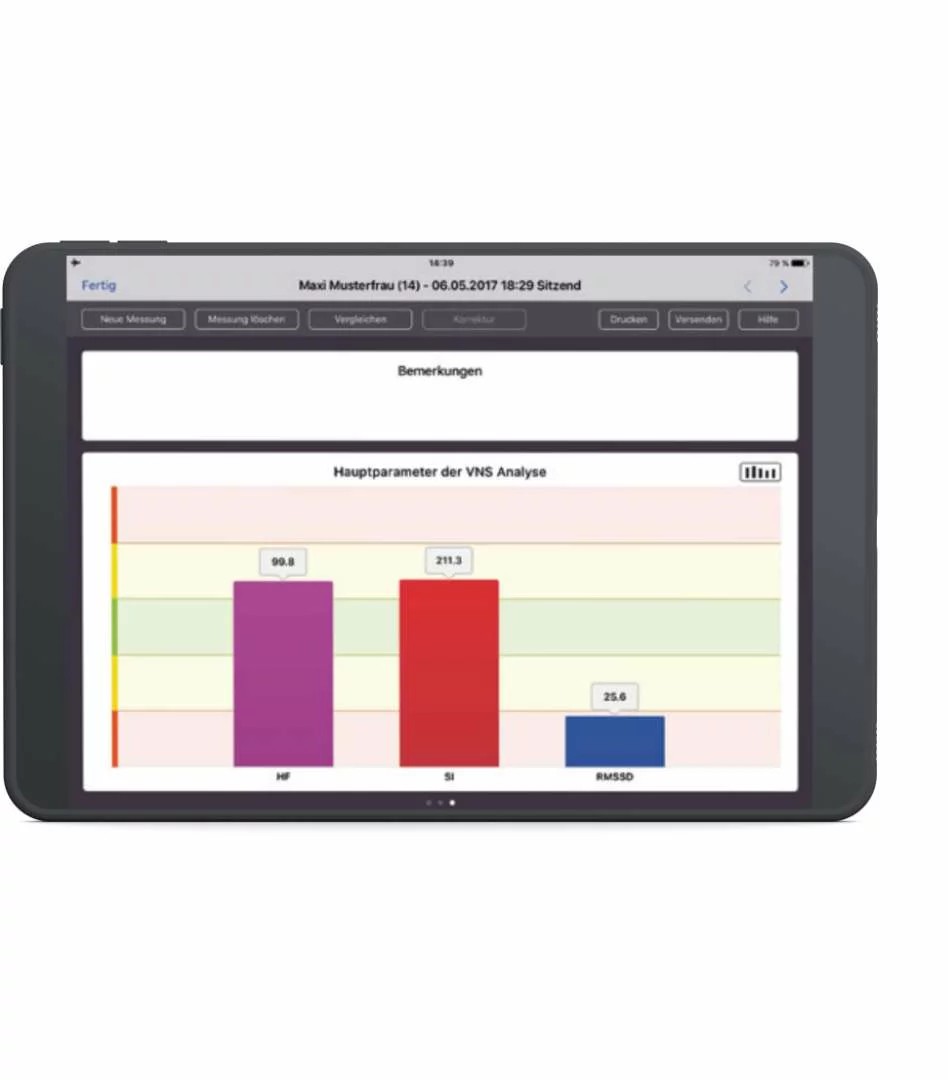
Measurement using the adjusted standard values for 10- to 19-year-olds. It is evident that there is an imbalance in the autonomic nervous system here and that action is needed.
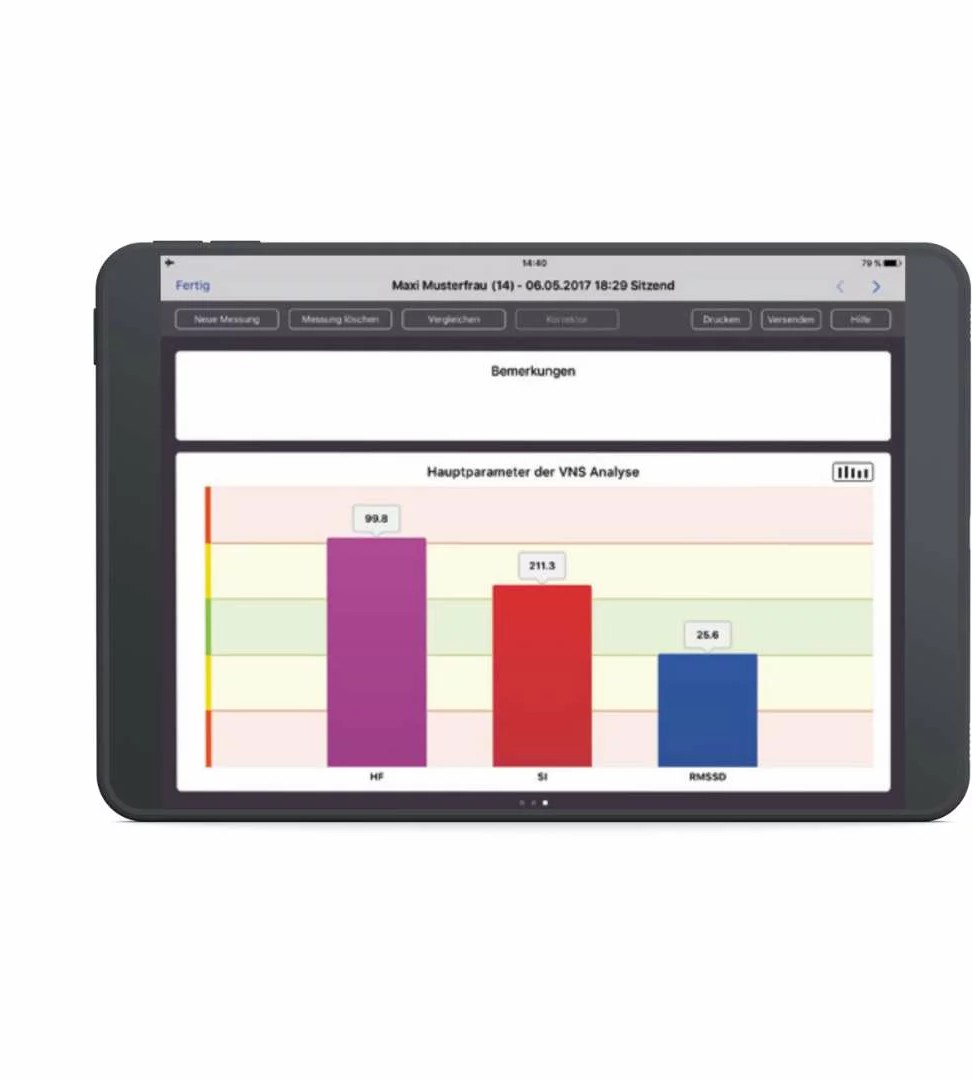
Measurement using the previous standard values for adults. The same HRV is incorrectly assessed as positive—as a result, the need for action would not have been correctly assessed.
Measurement using the adjusted standard values for 10- to 19-year-olds. It becomes apparent that there is an imbalance in the autonomic nervous system here and that action is needed.
Measurement using the previous standard values for adults. The same HRV would be incorrectly interpreted as positive—as a result, the need for action would not have been correctly assessed.
100 % delegable
Charles Darwin

Additional Modules: Applications of VNS Analysis

Orthostasis Add-on Module: In cases of abnormally high parasympathetic readings and physical discomfort such as exhaustion and lack of energy, this module allows you to test your adaptability and identify potential weaknesses early on. In contrast to rhythmic breathing, which allows you to control the activation of the parasympathetic nervous system, the orthostasis test applies a stress stimulus that allows you to control the deactivation of the parasympathetic nervous system.
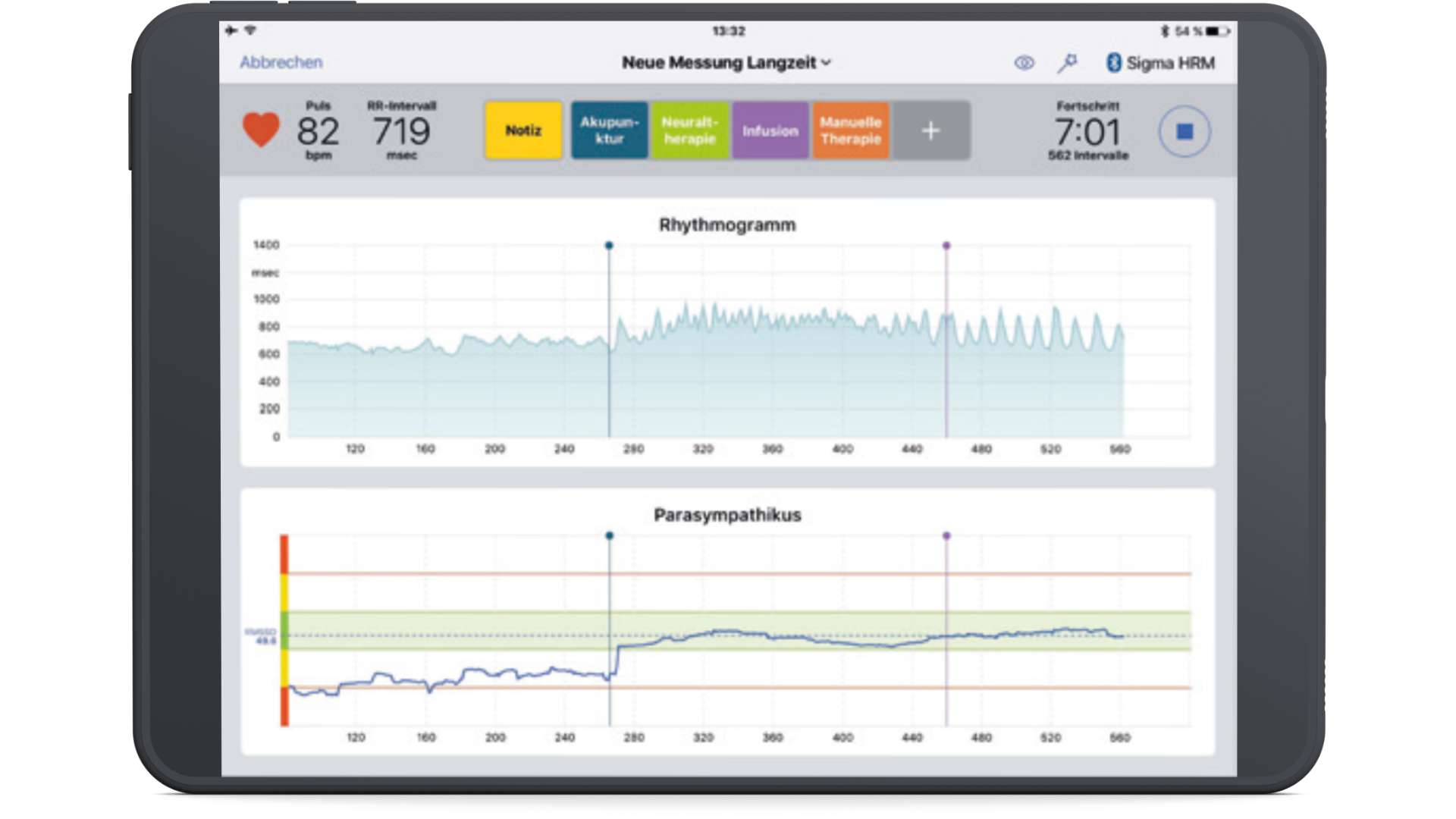
Long-Term Add-On Module: This module allows for measurements of unlimited duration. In addition to displaying heart rate variability, it visualizes parasympathetic activity in real time as a blue line. Using the special marker and note function, individual markers can be created and set both before and during the measurement. The effect of therapeutic interventions on the autonomic nervous system can thus be visualized for even more detailed therapy monitoring during the measurement.
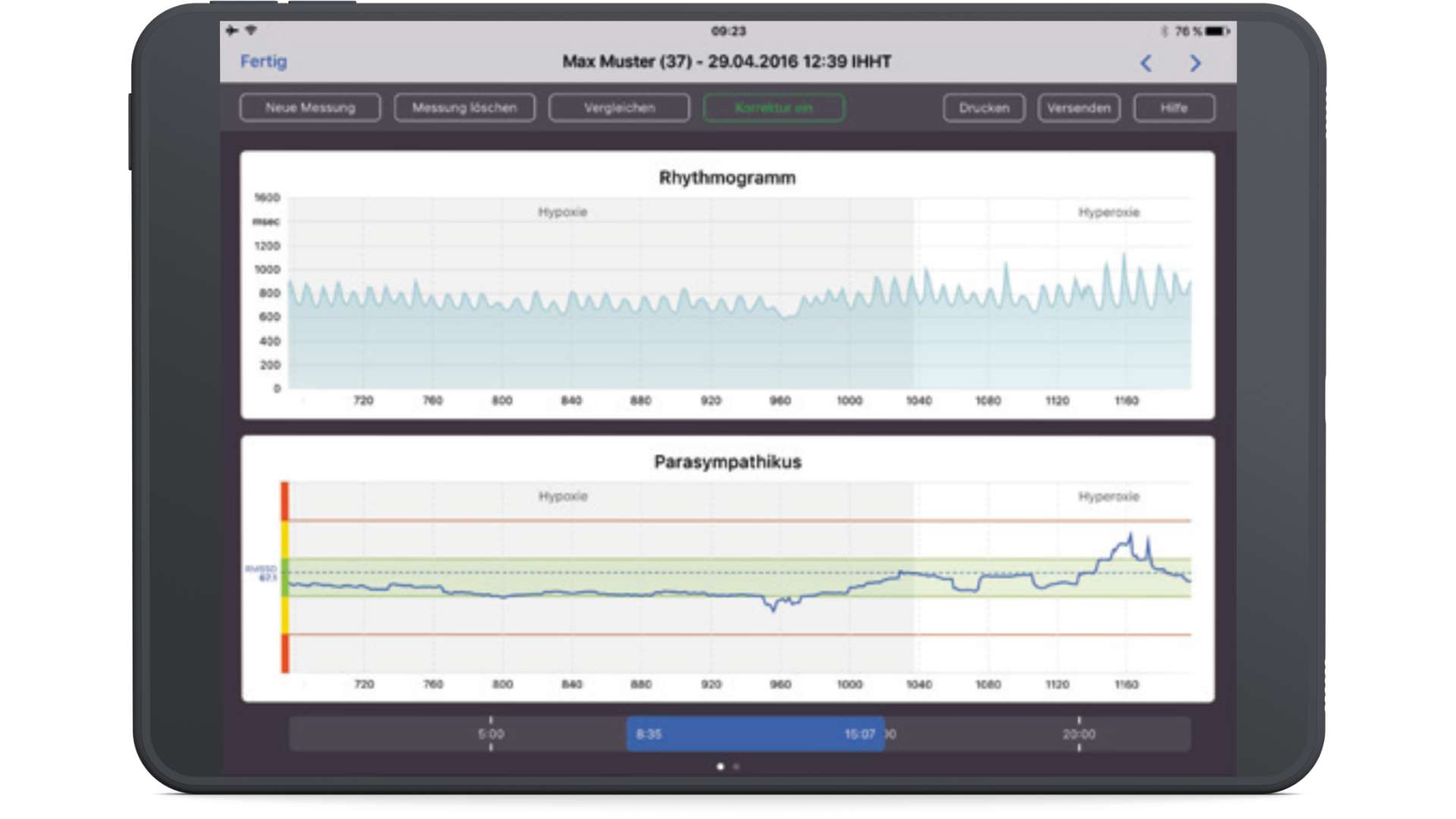
IHHT Add-on Module: The IHHT (Interval Hypoxia-Hyperoxia Training) add-on module enables real-time measurement of parasympathetic activity during an IHHT session. Since the autonomic nervous system reacts immediately and variably to hypoxia, the intensity of the training as well as the duration of the hypoxic and normoxic/hyperoxic intervals should be adjusted to match VNS regulation.
100% delegable

Benefits of VNS Analysis at a Glance

High accuracy
The VNS analysis is based on ECG-accurate measurements and regular validation against scientific standards, ensuring reliable and precise results.
Practical Relevance
Thanks to its ease of use and quick results, the VNS analysis is ideal for the hectic day-to-day routine of a medical practice.

Automatic Correction Features
The VNS analysis automatically detects and corrects technical artifacts and rhythm disturbances—ensuring a reliable evaluation of the measurement parameters.

Integrated Biofeedback
Real-time visualization supports therapeutic use and promotes patient compliance with stress management techniques.

Comprehensive Support
Users benefit from prompt and informed feedback when they have questions about interpreting the measurement results.
The better the heart rate variability
More than 2,000 satisfied users of the VNS Analysis

DR. THOMAS RAU, M.D., CHIEF MEDICAL OFFICER AND MEDICAL DIRECTOR OF THE SONNEBERG BIOMEDICAL HEALTH CENTER “The concept of HRV as an indicator of the autonomic nervous system is a completely new approach for most doctors and has introduced new methods for assessing and treating patients with chronic conditions at our clinic. We use various systems, including measurements lasting up to 48 hours. VNS analysis is by far the simplest and most practical method. It provides clinicians with insights into the causes and the effectiveness of treatment for chronic and “unexplained” illnesses. This device therefore belongs in every modern biological medicine practice.”

DR. MED. SIDDHARTHA POPAT, GENERAL PRACTITIONER, 1ST CHAIRMAN OF IGAF E.V. “During every preventive health checkup, I perform a VNS analysis on my patients. If the results are abnormal, my colleague immediately conducts a follow-up test using a breathing intervention. In this way, I identify disturbances in my patients’ stress resilience and regulatory capacity. Furthermore, it is an ideal tool for objectively demonstrating the effectiveness of acupuncture and neural therapy on the autonomic nervous system, which leads to increased patient compliance.”

DR. SUSANNE NEUY, MEDICAL DIRECTOR, KÖNIGSHOF HEALTH & VIEW HEALTH CENTER FOR NATURAL THERAPIES “In my practice, which specializes in regulatory medicine, VNS analysis is a valuable diagnostic tool for objectively visualizing treatment outcomes. It has become an indispensable part of my practice.”
Billing in accordance with the GOÄ and GebüH

FAQ on VNS Analysis
How does a VNS analysis work in practice?
Before the measurement, the patient should rest for about ten minutes. A chest strap is then applied, which wirelessly records heart rate variability (HRV) using a medically validated HRV monitor. This HRV measurement forms the basis of the VNS analysis. This is followed by two measurement phases: one in a relaxed, resting state with normal breathing, and a second phase with a prescribed, slow breathing rhythm. The results are then evaluated together and provide insight into the state of the autonomic nervous system. The total duration of the examination is approximately 10 to 15 minutes.
What is the significance of the new pediatric reference values in VNS analysis?
Children and adolescents react physiologically differently to stress than adults—this also applies to autonomic regulation. The new reference values for 10- to 19-year-olds make it possible, for the first time, to interpret test results in an age-appropriate manner. This allows for the precise identification of stress and regulatory disturbances even at a young age. False-positive results are avoided, and necessary therapeutic interventions can be initiated in a more targeted manner.
For whom is the VNS analysis particularly suitable?
The VNS analysis is intended for individuals with stress-related symptoms such as exhaustion, sleep disturbances, or stress resilience, as well as chronic conditions such as high blood pressure or diabetes. Thanks to its age-appropriate reference values, it can also be used for children and adolescents. It supports individualized treatment planning and monitoring of progress.
How often should a VNS analysis be performed?
The recommended frequency depends on the therapeutic goal and the individual’s health status. In acute diagnostics, a single measurement is sufficient for assessment. For monitoring therapy or when using biofeedback, regular measurements—for example, on a weekly or monthly basis—are recommended. This allows the course of autonomic regulation to be objectively documented and specifically influenced.
Complementing the VNS Analysis in the Best Possible Way
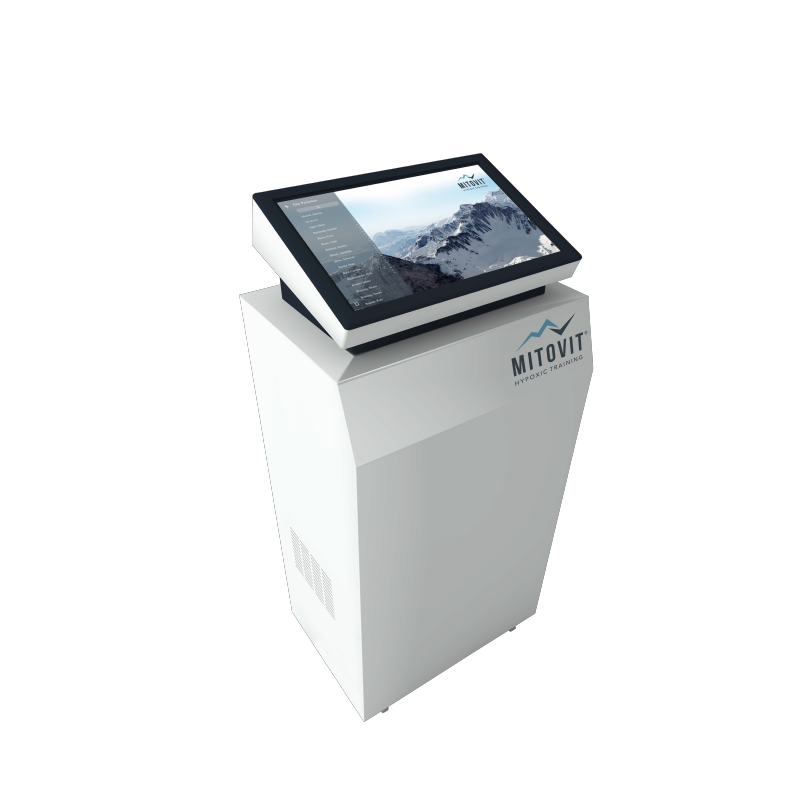
MITOVIT® Hypoxia Training: The MITOVIT® device is an innovative training system designed to harness the health and performance benefits of hypoxia. Hypoxia training, also known as high-altitude training, is based on the controlled reduction of the oxygen content in the air we breathe, which can lead to positive physiological adaptations in the body.
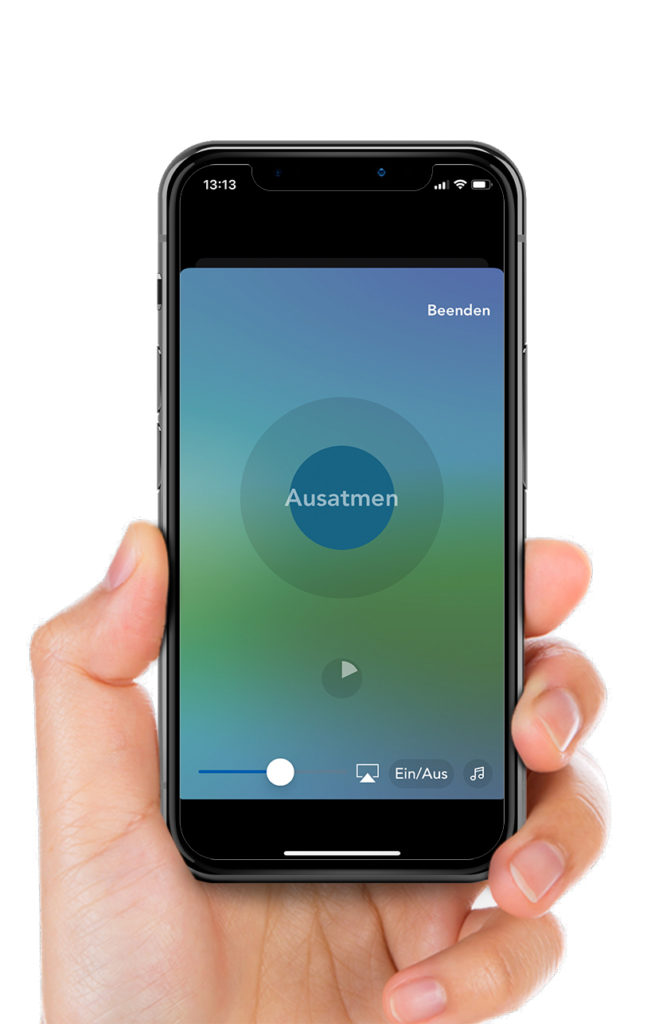
Vagusvit® Breathing Trainer App: The Vagusvit® Breathing Trainer is an app designed to specifically stimulate the vagus nerve through breathing rhythms. It allows you to activate the “relaxation nerve” through specific breathing rhythms—such as inhaling for 4 seconds and exhaling for 6 seconds—anytime, anywhere.
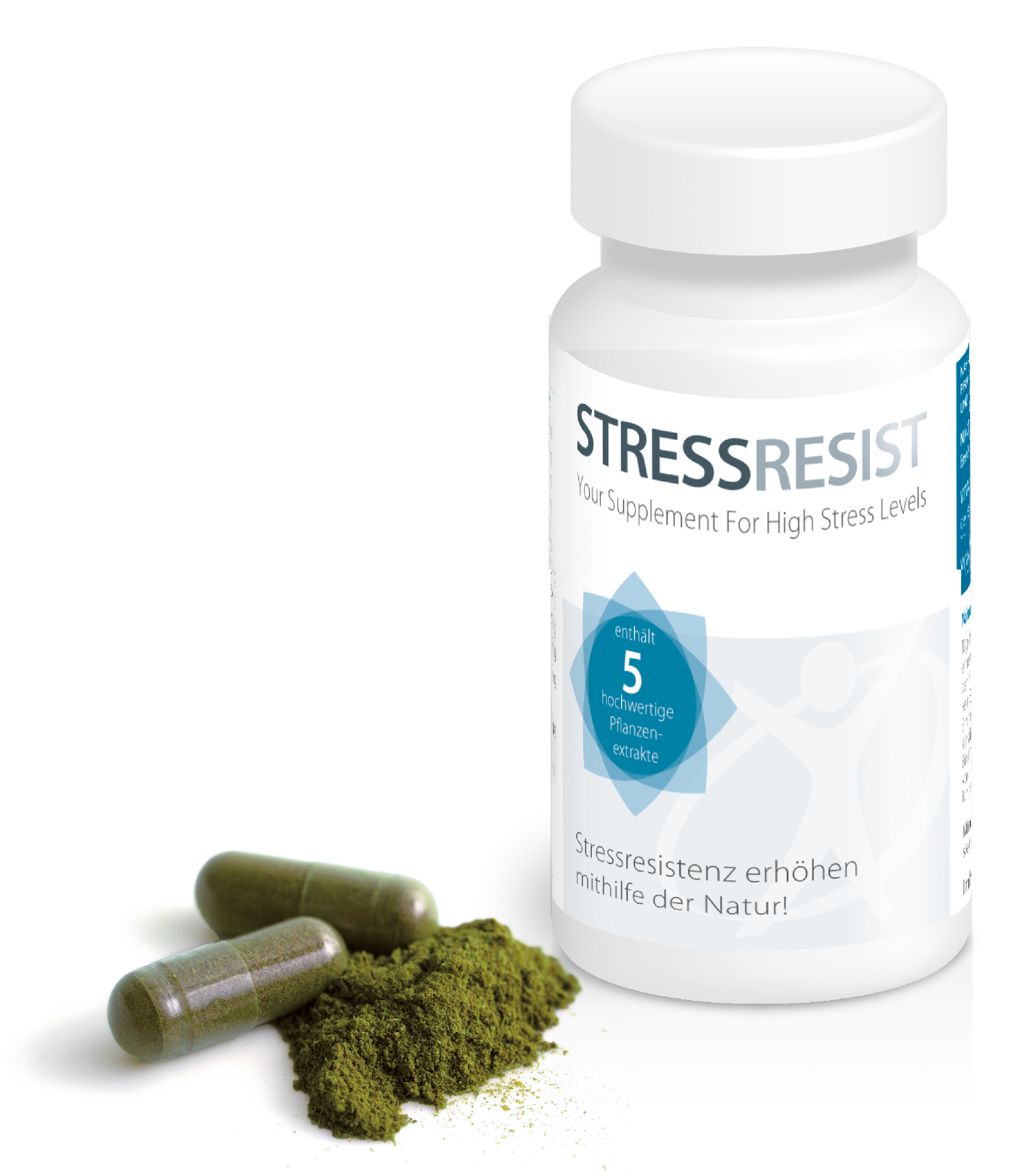
STRESSRESIST Dietary Supplement: STRESSRESIST is designed to support your stress resistance. It contains a carefully balanced combination of five high-quality plant extracts and essential B vitamins, making its formulation unique.
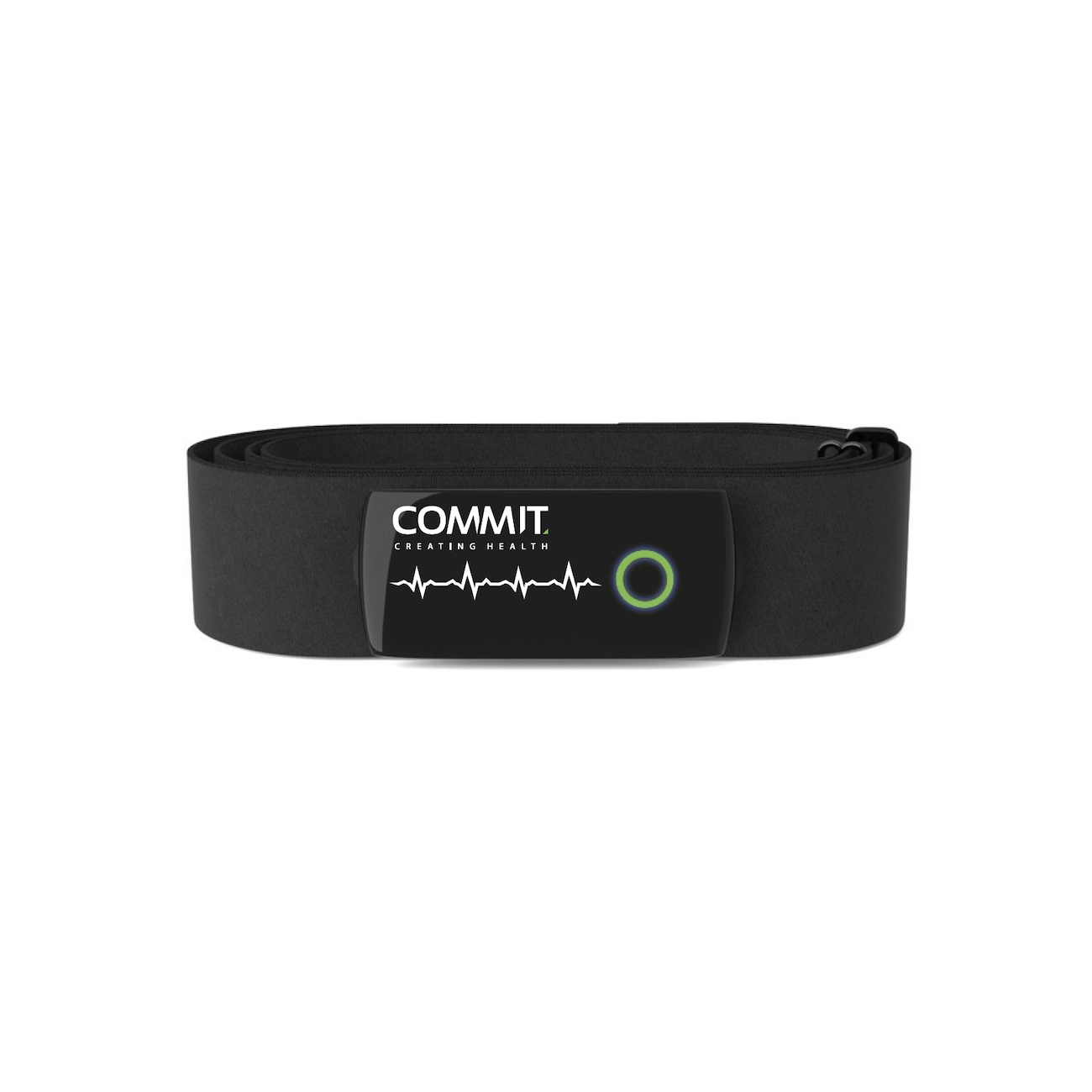
Accessories: Our accessories store offers chest straps and other equipment for your VNS analysis. All products are designed for practical use in the measurement environment and ensure reliable operation.

Marketing Materials: Our store offers high-quality marketing materials related to the VNS analysis—from brochures and flyers to posters—ideal for providing professional information to and engaging with customers.
LET US GIVE YOU A FREE CONSULTATION.
Contact
COMMIT GmbH
Dieselstraße 7
38259 Salzgitter
